

Introduction
In heavy-duty trucking environments, visibility is not just a convenience — it is a critical safety requirement. Commercial trucks often operate in harsh conditions such as rain, mud, dust, high-pressure washing, and extreme temperatures. Standard vehicle cameras frequently fail under these circumstances, leading to costly replacements and increased safety risks.
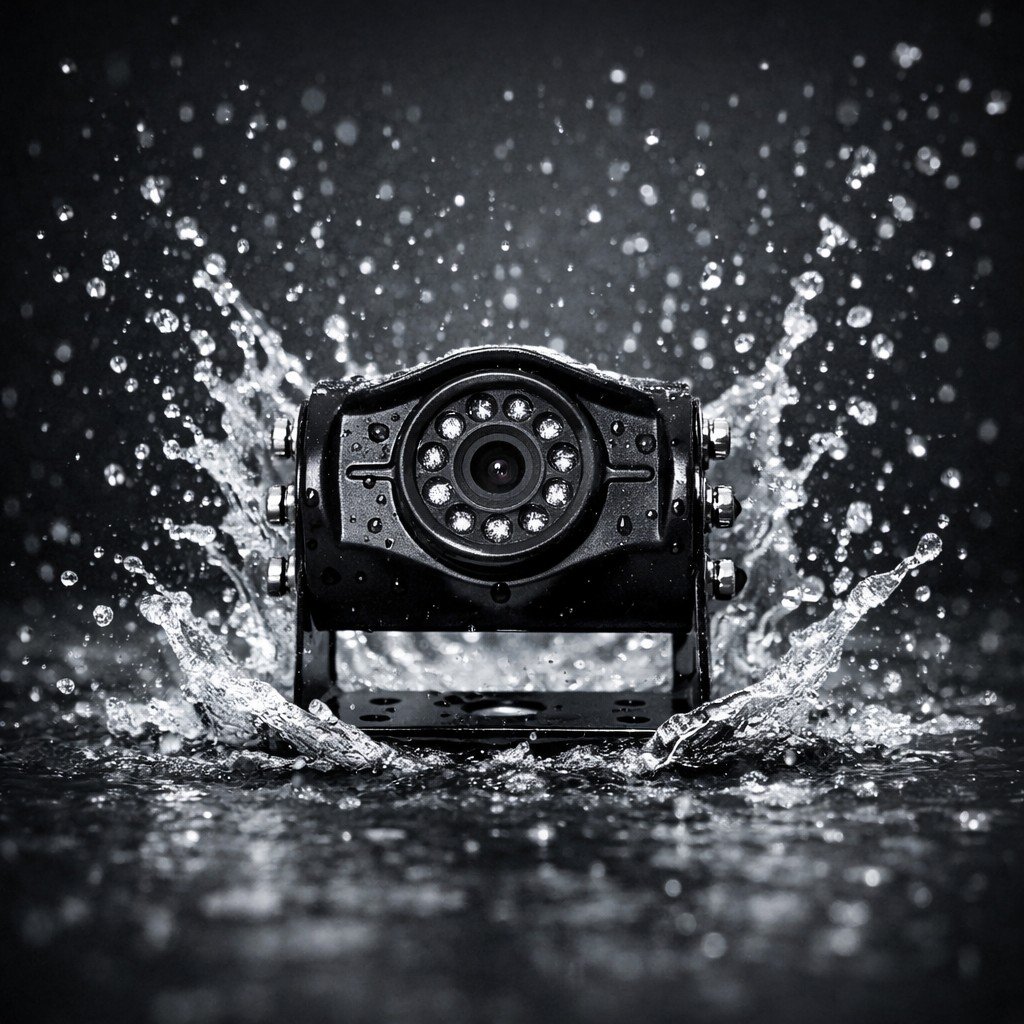
This is why more fleet operators and truck manufacturers are turning to IP69K waterproof vehicle cameras. Designed to withstand the toughest industrial environments, IP69K-rated cameras provide reliable performance where ordinary cameras cannot.
In this guide, we explain what IP69K means, why it matters for heavy-duty trucks, and how to choose the right camera system for long-term operational reliability.
What Is an IP69K Vehicle Camera?
IP69K is the highest protection rating under the IEC ingress protection standard. A vehicle camera with this rating is engineered to resist:
-
High-pressure water jets
-
High-temperature washdowns
-
Dust and contaminants
-
Corrosive environments
This level of protection makes IP69K cameras ideal for:
✔ Heavy-duty trucks
✔ Construction vehicles
✔ Mining equipment
✔ Agricultural machinery
✔ Waste management fleets
Unlike consumer-grade cameras, industrial vehicle cameras must perform consistently despite vibration, moisture, and temperature fluctuations.
Why IP69K Matters for Heavy Duty Trucks
Fleet downtime is expensive. A failed camera can lead to safety incidents, insurance complications, and operational delays.
Choosing an IP69K camera ensures:
✔ Maximum Durability
Frequent washdowns will not compromise the internal electronics.
✔ Reduced Maintenance Costs
Fewer replacements mean lower long-term ownership costs.
✔ Improved Driver Visibility
Reliable rear and side views help eliminate blind spots.
✔ Enhanced Fleet Safety
A dependable monitoring system supports accident prevention.
For fleet managers, durability is not optional — it is a financial decision.
Key Features to Look for in an Industrial Vehicle Camera
Not all “waterproof” cameras are built the same. When evaluating suppliers, focus on these critical specifications:
1. True IP69K Sealing
Verify certification rather than marketing claims.
2. Wide Voltage Input (DC10–32V)
Essential for commercial trucks operating on 12V or 24V systems.
3. Anti-Vibration Design
Heavy vehicles generate constant vibration. Automotive-grade construction protects internal components.
4. High-Resolution Imaging
Clear visuals improve driver reaction time and reduce risk.
5. Night Vision Capability
Low-light performance is crucial for early morning and nighttime operations.
6. Automotive-Grade Components
Industrial cameras should be built for long lifecycle usage — not consumer replacement cycles.
IP69K vs IP67: What Is the Real Difference?
Many buyers assume IP67 is sufficient. However, the difference is significant.
| Feature | IP67 | IP69K |
|---|---|---|
| Dust Protection | ✔ | ✔ |
| Water Immersion | ✔ | ✔ |
| High-Pressure Spray | ✖ | ✔ |
| High Temperature Wash | ✖ | ✔ |
| Industrial Suitability | Limited | Excellent |
If trucks are washed using high-pressure systems, IP69K is strongly recommended.
Typical Applications for IP69K Truck Cameras
Industrial cameras are rarely one-size-fits-all. The best systems are selected based on vehicle type and operational risks.
Common applications include:
-
Rear-view cameras for articulated trucks
-
Side cameras for blind spot reduction
-
Front cameras for maneuvering in tight spaces
-
Multi-camera systems integrated with in-vehicle monitors
For fleets prioritizing safety, a complete camera monitoring system often delivers the highest return on investment.
Choosing the Right Vehicle Camera Manufacturer
Selecting the right supplier is just as important as choosing the camera itself.
Look for a manufacturer that offers:
✔ OEM / ODM capability
✔ Stable bulk production
✔ Strict quality testing
✔ Automotive-grade engineering
✔ Customization options
✔ Long-term supply reliability
An experienced manufacturing partner helps ensure consistency across fleet deployments.
Why Many Fleet Operators Choose Xinvisual Electronics
At Xinvisual Electronics, we specialize in industrial vehicle vision systems designed for demanding environments.
Our solutions feature:
-
Certified IP69K waterproof construction
-
Wide voltage support for commercial vehicles
-
High-brightness monitors
-
Anti-vibration engineering
-
Flexible customization
-
Reliable mass production
Whether you operate heavy trucks, construction machinery, or specialized fleets, our team supports projects from evaluation to deployment.
Frequently Asked Questions
What does IP69K mean for vehicle cameras?
It indicates the highest level of protection against dust, high-pressure water, and high-temperature spray.
Are IP69K cameras necessary for all trucks?
Not always — but they are strongly recommended for vehicles exposed to harsh weather, frequent washing, or heavy debris.
Can IP69K cameras work with in-vehicle monitors?
Yes. Most industrial cameras are compatible with AHD or CVBS monitoring systems.
Do you support OEM branding?
Yes. Xinvisual provides customization options for fleet operators, distributors, and equipment manufacturers.
What is the typical operating temperature?
Industrial vehicle cameras typically support wide temperature ranges suitable for extreme environments.