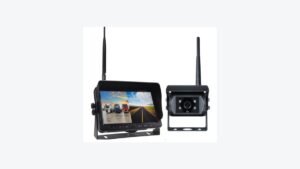
For modern commercial vehicles, relying on a single camera is no longer enough. A standalone reversing camera is excellent for parking, but it does nothing to mitigate the severe blind spot risks at the front and sides of the vehicle. This is especially true for trucks, vans, buses, forklifts, and heavy machinery. In real-world environments, […]
What Is BSIS and Why Are European Fleets Pivoting Toward It? If you operate trucks, buses, or heavy-duty vehicles in Europe, you’ve likely noticed a shift in the conversation. Customers are no longer just asking for a “waterproof camera” or a “larger monitor”—they are asking for BSIS. This shift represents a fundamental change in the […]
Understanding Wide Voltage in Vehicle Monitors and Cameras: Why DC 12V–36V Matters When choosing a vehicle monitor or camera system, buyers often compare visible features first, such as screen size, resolution, waterproof rating, viewing angle, or night vision performance. These specifications are important, but they do not tell the full story of how reliably the […]
Why Waterproof Vehicle Cameras Still Fog Up — And What Buyers Should Really Check Internal fogging in a vehicle camera may seem like a minor issue at first. But in real commercial vehicle use, it can quickly become a safety risk, a maintenance problem, and an after-sales headache. For fleet operators, installers, and distributors, durability […]
Introduction As commercial vehicles become increasingly dependent on advanced vision systems, choosing the right OEM vehicle camera manufacturer has become a critical decision for fleet operators, equipment manufacturers, and system integrators. A reliable supplier does more than provide hardware — they ensure long-term product stability, consistent quality, and scalable production. However, with many camera factories […]
Introduction In heavy-duty trucking environments, visibility is not just a convenience — it is a critical safety requirement. Commercial trucks often operate in harsh conditions such as rain, mud, dust, high-pressure washing, and extreme temperatures. Standard vehicle cameras frequently fail under these circumstances, leading to costly replacements and increased safety risks. This is why more […]
Rear View Camera: 100° or 170°? A Clear Explanation from Field of View, Blind Spots, to Distance Judgment When installing rear view cameras on commercial vehicles, construction vehicles, forklifts, pickups, and RVs, one of the most common questions customers ask is: “Which is better for a rear view camera—100° or 170°?” Let’s state the conclusion […]
Trigger wires let a vehicle monitor automatically switch to the correct camera view when specific vehicle signals occur—most commonly reverse gear, turn signals, or braking. If you’re installing a 2–4 camera system, using trigger wires correctly improves driver reaction time and reduces blind-spot risk, without the driver pressing any buttons. Many commercial monitors support multiple […]
DVS, BSIS, MOIS: Simple Compliance Guide for European & UK Fleets If you sell to or work with fleets in Europe and the UK, you’ve probably heard new terms everywhere: DVS – Direct Vision Standard (London) BSIS – Blind Spot Information System MOIS – Moving Off Information System These aren’t marketing buzzwords – they are […]
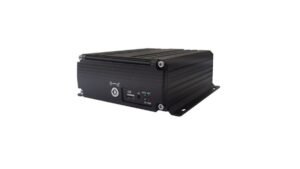
How to Choose the Right MDVR System for Your Fleet (4CH, 8CH, 4G & AI Explained) For many fleets, cameras + MDVR are now standard – not only for safety, but also for recording evidence, live tracking and driver coaching.But when you start choosing an MDVR, you quickly see a lot of options: 4-channel, 8-channel, […]