

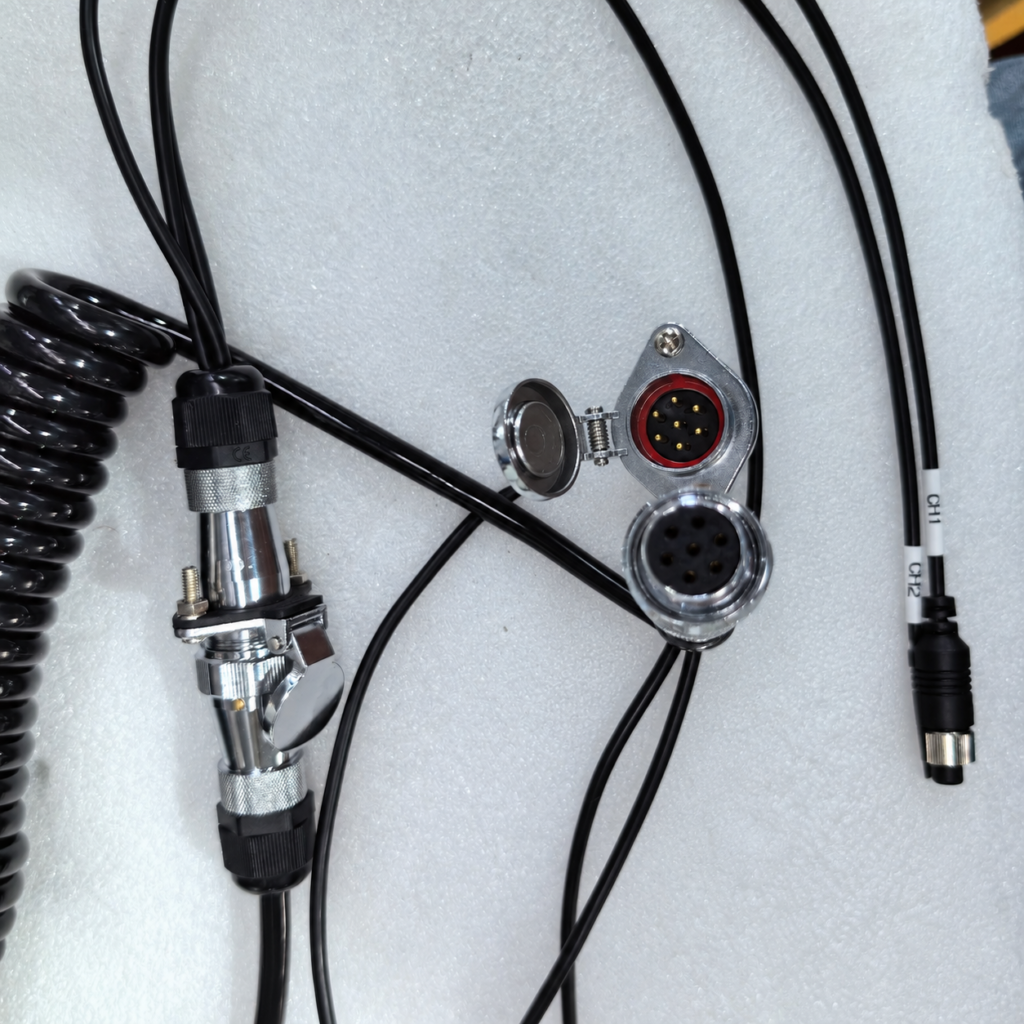
A trailer camera works before uncoupling. After the trailer has been parked outdoors, the connection needs attention before the system returns to service. Where was the loose plug stored? Was the socket covered? Are the contact faces clean and dry?
These questions belong in the original purchase specification. Unmated vehicle camera connector protection should be checked separately from the camera housing and the connected cable assembly.
For fleet managers, installers, distributors, and OEM engineers, the starting point is simple: which protection rating applies to the exact connector in each operating state?
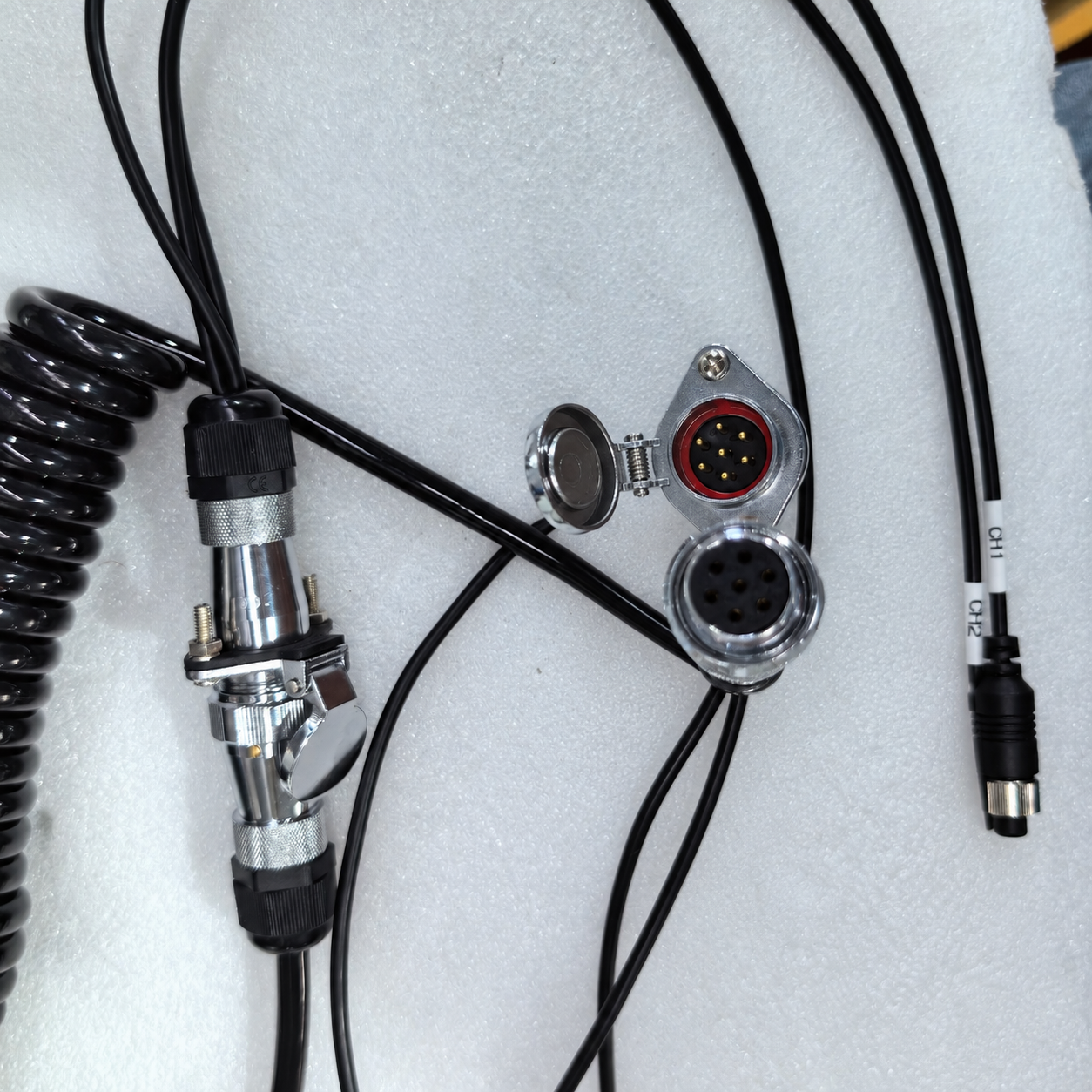
Check Three States: Mated, Capped, and Open
A camera’s IP rating does not establish the protection of every connector in the system. Identify the two mating parts, any protective accessory, and the installation conditions covered by the documentation.
| Connector state | What to verify | What not to assume |
|---|---|---|
| Mated and locked | The rating covers the specified mating pair, seals, cable entry, and locking condition. | The camera housing rating also covers this connection. |
| Disconnected and capped | The exact cap-and-connector combination has a documented rating and fitting instructions. | Any cover that fits provides a waterproof seal. |
| Disconnected without an external cap | The manufacturer states whether the connector has built-in protection and an unmated rating. | The connected rating remains valid, or every unmated connector is IP00. |
Connector designs differ. For example, binder documents NCC female panel connectors with integrated covers and specified protection when unmated. This illustrates why the selected model’s documentation matters; it does not establish the rating of a trailer camera connector from another supplier.
Also distinguish immersion from cleaning exposure. Phoenix Contact’s connector selection guide explains that IPX7 and IPX8 address immersion and do not, by themselves, establish spray-water protection. Request evidence matching the actual exposure.
Start with the Disconnected Storage Conditions
Describe what happens between uncoupling and reconnection. Include both the fixed vehicle socket and every loose cable end.
- Drop trailers: Check outdoor parking time, rain exposure, and where the cable stays after separation.
- Winter fleets: Identify road-salt exposure and the cleaning procedure used before reconnection.
- Agricultural equipment: Include seasonal storage, dust, mud, and handling between attachments.
- Construction trailers: Consider debris, connector impact, and the location of washing operations.
A useful requirement describes the location, duration, contaminants, and expected handling. “Outdoor waterproof connector” leaves too many conditions undefined.
Choose Protection Hardware as a Matched Assembly
Protective Caps
Ask for a cap identified for the exact connector series and side of the connection. Check the coupling dimensions, sealing surface, retention method, and installation instructions. Similar appearance or the same pin count is not enough to confirm compatibility.
Separate a transport dust cover from a sealing cap intended for outdoor service. TE Connectivity’s protection-cap documentation shows how caps are matched to particular connector housing groups and configurations.
Where a tether is used, check that it keeps the cap available without entering a hitch, pinch point, or cable movement path. Evaluate the approved assembly rather than declaring every metal cap superior to every polymer cap.
Socket Covers and Parking Holders
A hinged cover or parking holder may help protect and organize a disconnected end. Ask whether it provides a tested environmental seal or only mechanical storage. A closed lid or a raised storage position alone does not establish an IP rating.
Review access with normal work gloves, clearance around the socket, and where the cable rests. Confirm accessory availability and suitability before adding it to the purchase specification.
Inspect Before Reconnecting the Camera Cable
Park and secure the vehicle, then follow the equipment manufacturer’s power-isolation and reconnection instructions. For connectors not approved for live mating, isolate power before handling the connection.
- Check the contact area. Look for moisture, dirt, deposits, bent contacts, or other visible damage. Do not force contaminated or damaged parts together.
- Check accessible sealing parts. Look for missing, displaced, cracked, or visibly damaged seals and damaged mating surfaces.
- Follow the approved cleaning method. Use only manufacturer-approved products and procedures. Do not make compressed air, solvent flushing, or grease application a universal instruction.
- Align and secure the connection. Follow the specified locking method and any stated torque. Do not use the coupling mechanism to pull misaligned parts together.
- Restore power and verify operation. Check the camera image and applicable switching functions before returning the vehicle to service.
If the image remains intermittent, record the symptoms and any controlled substitution results. A black screen alone does not prove that moisture in the disconnected connector caused the fault.
Buyer Checklist: Evidence to Request Before Ordering
Use the following checklist for a new harness or trailer camera installation. Agree on requirements from the actual application instead of assigning a generic IP target to each accessory.
| Review item | Evidence to request | Acceptance question |
|---|---|---|
| Mated connection | Part numbers, assembly instructions, and applicable ingress test evidence | Does the evidence cover the supplied mating pair and installation? |
| Capped connection | Cap part number, compatible connector, fitting instructions, and rated-state evidence | Was this cap-and-connector configuration evaluated? |
| Unmated socket | Documented unmated rating and any built-in cover conditions | What protection remains after the cable is removed? |
| Storage arrangement | Layout drawing or sample photos and accessory specifications | Can operators store both loose ends securely and consistently? |
| Maintenance | Inspection, cleaning, seal replacement, and locking instructions | Can the fleet service the connection using approved methods? |
| Electrical and video compatibility | Pinout, supply requirements, signal format, and cable specification | Does the assembly match the intended camera and monitor? |
For ingress claims, check the standard and edition, tested configuration, conditions, and result. A material specification or dimensional drawing can support selection, but neither independently proves an IP rating. Ask separately about relevant salt exposure, corrosion, vibration, and mating-cycle evidence.
Approve the Sample and Keep the Configuration Traceable
Evaluate the complete connection as operators will use it: disconnect it, fit the approved protection, place the cable in storage, retrieve it, inspect it, and reconnect it. Check access and clearance on the intended vehicle layout.
This handling review supplements formal evidence; it does not certify an ingress rating. Keep approved part numbers, drawings, photos, instructions, and relevant reports with the sample record. Include caps and storage accessories in the bill of materials where required, so later orders can be checked against the approved configuration.
Frequently Asked Questions
Does an IP69K camera rating protect an unplugged trailer connector?
It does not establish that protection. Request the rating for the exact connector in its unmated or capped state, including any required accessories and installation conditions.
Is every disconnected connector IP00?
No. Some designs have built-in protection and documented unmated ratings. Where no unmated rating is provided, do not invent one or carry over the mated rating.
Will any cap with the correct thread keep water out?
Thread fit alone is insufficient evidence. Confirm the sealing interface, connector compatibility, installation requirements, and documented protection of the assembled combination.
Can a wet camera connector be reconnected after wiping?
A surface wipe does not establish that the contact area is clean and dry. Follow the manufacturer’s inspection, cleaning, drying, and return-to-service procedure. Damaged or corroded parts may require replacement.
Does an IP rating also prove corrosion resistance?
An ingress rating alone does not establish suitability for the fleet’s salt and chemical exposure. Request separate evidence relevant to those conditions and the exact materials and assembly.
Discuss Your Trailer Camera Connection Requirements
Xinvisual Electronics supplies commercial-vehicle cameras, monitors, and customized cable assemblies for project requirements. Review our vehicle camera cables and accessories, and include disconnected storage conditions when discussing a detachable trailer installation.
Send connector photos, the required pinout, cable length, camera and monitor details, storage conditions, cleaning exposure, and estimated quantity. Our team can review the connection requirements and confirm available configurations and supporting evidence for the proposed assembly.
Contact Xinvisual Electronics to discuss your trailer camera and cable requirements.