

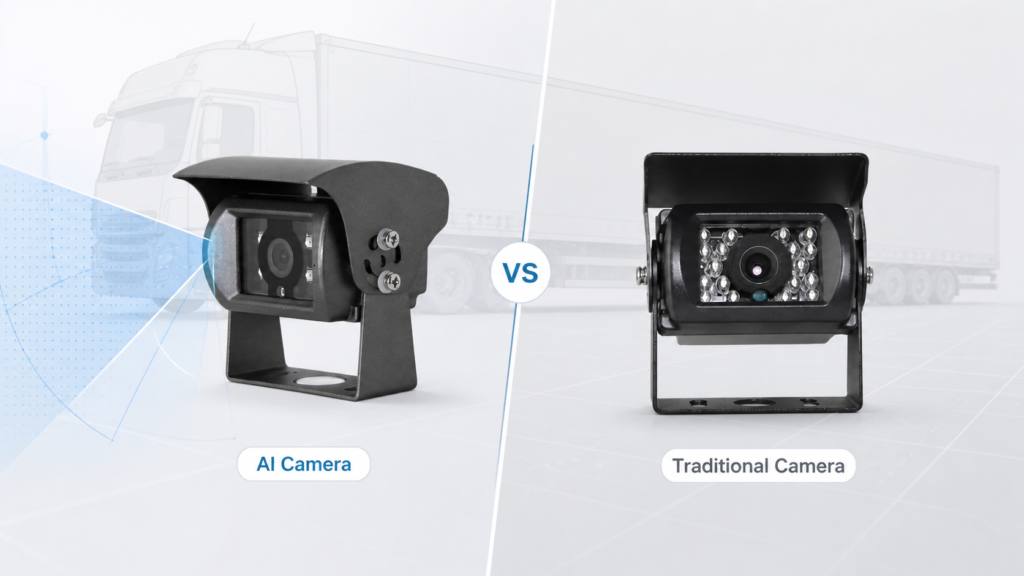
AI Blind Spot Detection Camera vs Traditional Vehicle Camera
A traditional vehicle camera and an AI blind spot detection camera can both improve driver visibility, but they are not designed for the same level of safety support.
A traditional vehicle camera mainly shows live video to the driver. An AI blind spot detection camera adds detection logic that can help identify pedestrians, cyclists, vehicles or other targets in configured blind spot areas and trigger visual or audible warnings through a compatible system.
This guide explains the difference for fleet managers, distributors, vehicle system integrators and OEM engineers who are comparing standard visibility cameras with AI detection cameras for commercial vehicle safety projects.
Quick Answer: What Is the Main Difference?
Traditional vehicle cameras help drivers see. AI blind spot detection cameras can help drivers see and receive detection-based alerts.
Use a traditional camera when the main goal is simple visibility, such as rear view, side view or loading area monitoring.
Consider an AI blind spot detection camera when the project needs pedestrian or vehicle detection, warning alerts, blind spot risk reduction, or integration with monitors and MDVR systems.
What Is a Traditional Vehicle Camera?
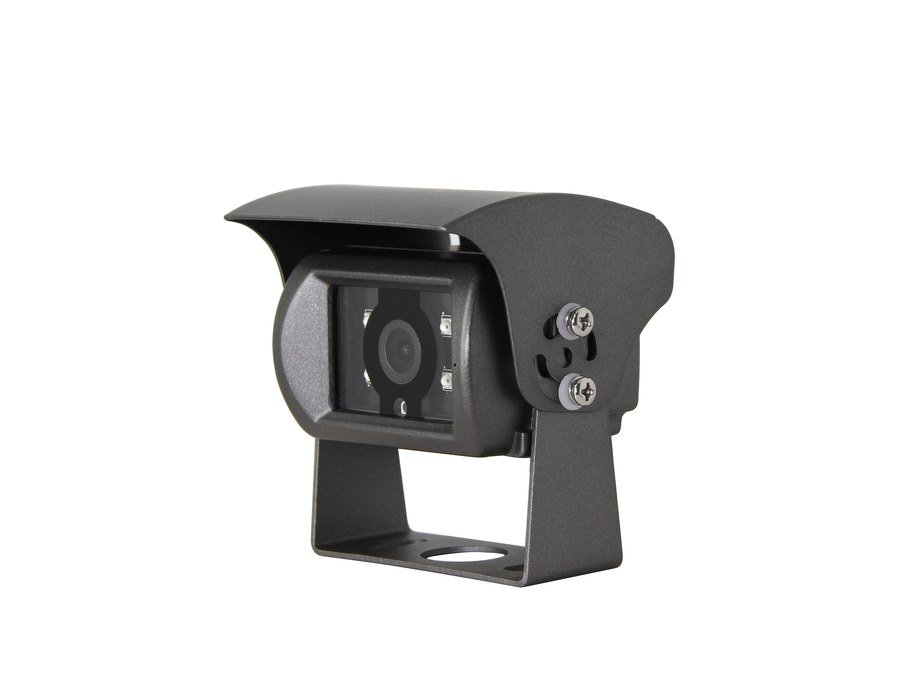
A traditional vehicle camera captures video from around the vehicle and sends the image to a monitor or recording system. It is commonly used for reversing, side view, front view, fork view, trailer monitoring and general driver visibility.
Common Uses
- Rear view monitoring for reversing
- Side view monitoring during turning or lane changes
- Front view or loading area visibility
- Forklift fork view or pallet handling support
- Trailer, bus, truck or industrial vehicle camera systems
Main Benefits
- Simple and familiar system design
- Lower cost than AI detection systems
- Stable live video for driver visibility
- Useful for many basic reversing and monitoring applications
Limitations
- The driver must watch the monitor actively
- The camera does not detect pedestrians or vehicles by itself
- No AI warning box or detection alarm is provided unless another device adds that function
- Safety performance depends heavily on driver attention and correct monitor placement
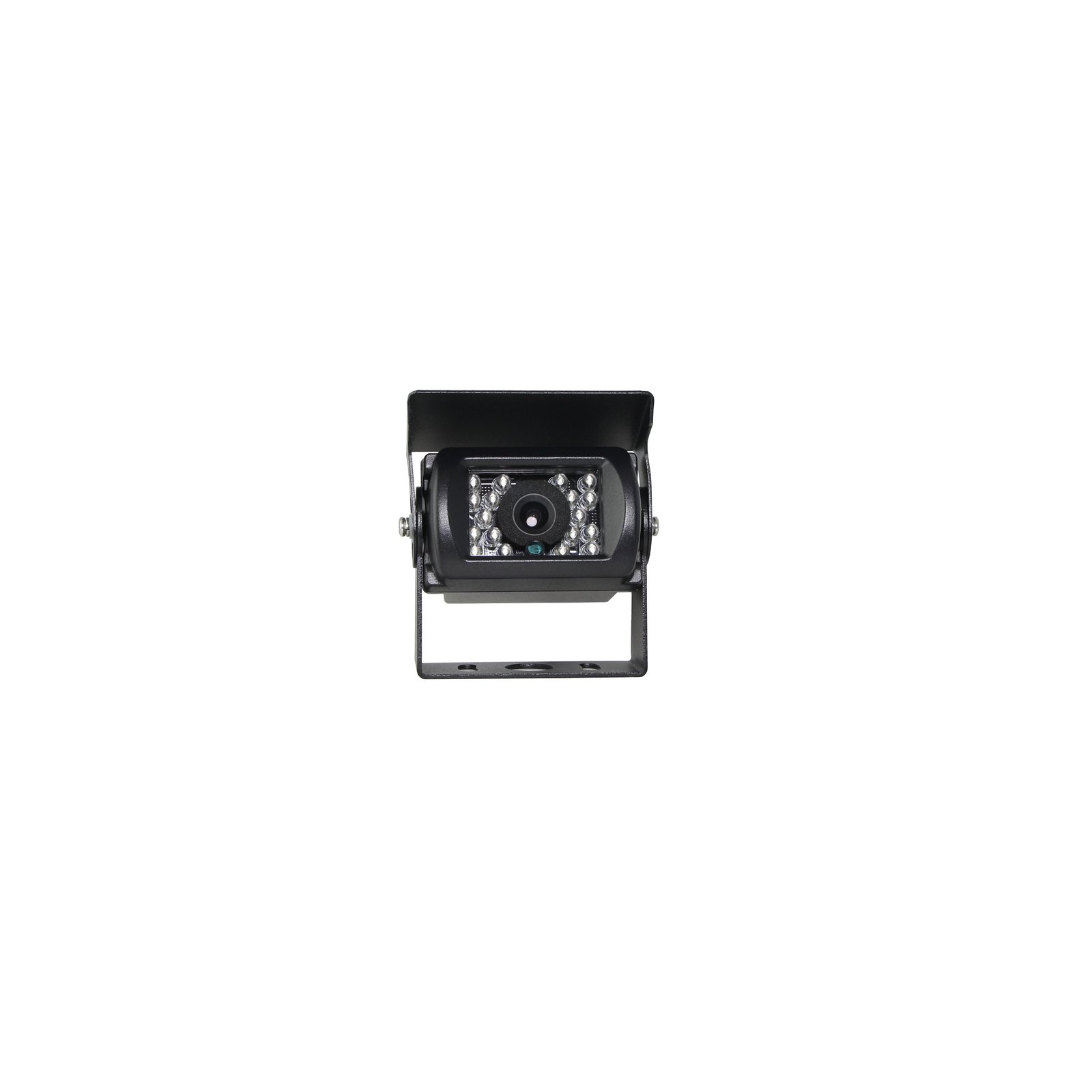
What Is an AI Blind Spot Detection Camera?
An AI blind spot detection camera is used when the project needs more than video display. It combines camera imaging with detection logic that can support pedestrian or vehicle recognition in selected areas.
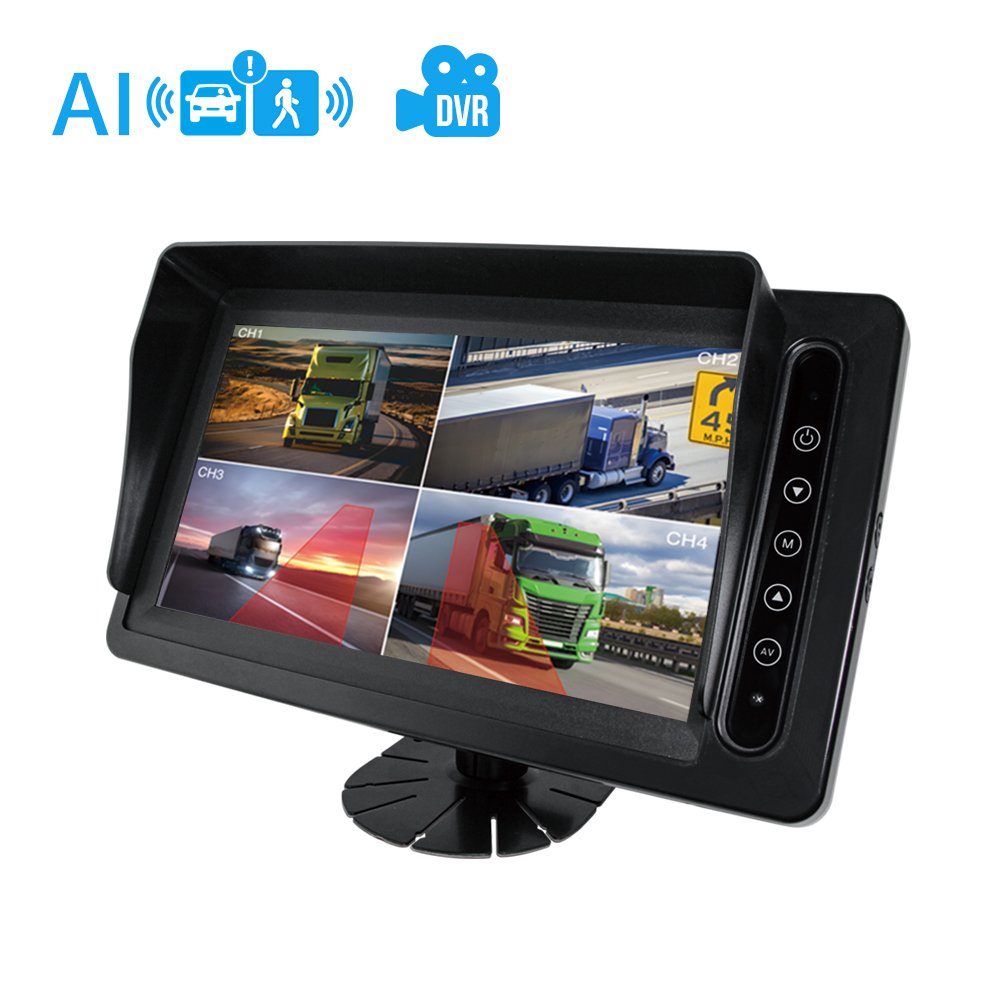
Depending on the camera model and system configuration, the warning can be shown on a monitor, combined with an audible alarm, or connected with an MDVR system for fleet safety recording.
Typical Detection Targets
- Pedestrians near the vehicle
- Cyclists in side blind spot areas
- Vehicles or objects in configured warning zones
- Workers around forklifts or industrial vehicles
Typical System Components
- BSD AI camera
- Vehicle monitor
- Audible warning alarm
- MDVR or fleet recording system
- Cables, brackets and mounting accessories
AI Camera vs Traditional Camera: Key Differences
| Item | Traditional Vehicle Camera | AI Blind Spot Detection Camera |
|---|---|---|
| Main function | Shows live video | Shows video and supports target detection |
| Driver support | Visual awareness | Visual awareness plus warning alerts |
| Detection | Manual observation by driver | AI-assisted pedestrian or vehicle detection |
| Typical cost | Lower | Higher |
| Best use | General reversing, side view and visibility | Blind spot risk, pedestrian safety and fleet retrofit projects |
| System integration | Monitor or DVR display | Monitor, alarm, MDVR and safety system configuration |
When Is a Traditional Vehicle Camera Enough?
A traditional vehicle camera can be a good choice when the project mainly needs visibility and the operating risk is manageable through driver observation.
Typical situations include:
- Basic reversing assistance
- Side view or rear view monitoring
- Low-speed yard operation
- Loading dock visibility
- Cost-sensitive retrofit projects
- Vehicles that already have trained drivers and clear operating procedures
For these applications, the buyer should still confirm camera viewing angle, waterproof rating, voltage, connector type, night vision, image direction and monitor compatibility.
When Should You Consider an AI Blind Spot Detection Camera?
An AI blind spot detection camera may be more suitable when the vehicle operates near pedestrians, cyclists, workers or other vehicles and the project needs active warning support.
AI detection is especially relevant when:
- The vehicle has large side or rear blind spots
- Pedestrians or cyclists often enter the vehicle working area
- The driver needs audible warning support
- The fleet wants to record safety-related events through an MDVR system
- The project needs a camera, monitor and alarm configuration, not only a camera
- The buyer is evaluating DVS-related, BSIS-style or MOIS-style vehicle safety upgrades
Application Examples
Trucks and Commercial Vehicles
AI blind spot detection cameras can be installed on the side or rear of trucks to help monitor areas where pedestrians, cyclists or vehicles may appear. A traditional side camera may be enough for simple side visibility, while AI detection is more relevant when the project needs warning alerts.
Buses and Coaches
Buses and coaches often have long side blind spots and busy operating environments. AI detection can support awareness around the vehicle, especially where passengers, pedestrians or cyclists may move near the vehicle.
Forklifts and Industrial Vehicles
Forklifts often work near racks, pallets, workers and other moving equipment. A traditional camera can improve fork view or rear view visibility. AI detection can add warning support when pedestrians or vehicles enter configured blind spot areas.
Fleet Retrofit Projects
For fleet retrofit projects, buyers should compare the full system instead of comparing cameras alone. The final configuration may include an AI camera, monitor, audible alarm, MDVR, wiring harness and mounting accessories.
Important Notes About Compliance
AI blind spot detection cameras can be used as safety system components in projects related to blind spot monitoring, pedestrian awareness and fleet safety upgrades.
For DVS-related, BSIS-style or MOIS-style projects, the safest wording is:
- Safety system component
- Designed for blind spot detection applications
- BSIS/MOIS-style solution
- Project evaluation
Final compliance depends on vehicle type, installation position, system configuration and local approval requirements. Buyers should not treat any single camera as a complete approved system without reviewing the full project requirements.
How to Choose Between AI and Traditional Cameras
Choose a Traditional Vehicle Camera When
- The goal is visual monitoring only
- The driver can actively watch the monitor
- The budget is limited
- The vehicle operates in lower-risk areas
- The project does not require automatic detection or warning alerts
Choose an AI Blind Spot Detection Camera When
- The project needs pedestrian or vehicle detection
- The vehicle works around people or cyclists
- The driver needs warning alerts
- The fleet wants to combine video, alarm and recording
- The buyer needs a complete safety system configuration
Buyer Checklist
- What vehicle type will use the camera?
- Which blind spot or working area should be monitored?
- Is live video enough, or is AI detection required?
- Should the system detect pedestrians, cyclists, vehicles or other targets?
- Is an audible warning alarm required?
- Will the camera connect to a monitor, MDVR or both?
- What camera viewing angle is suitable for the mounting position?
- What waterproof rating, voltage range and connector type are required?
- Does the installation team need adjustable detection zones?
- Are there local approval or project documentation requirements?
Recommended Xinvisual Solution Path
If the project needs more than one camera, Xinvisual can help configure a suitable safety camera system based on vehicle type, working environment, blind spot risk and display or recording requirements.
- AI blind spot detection camera solution
- BSD AI camera
- DVS, BSIS and MOIS camera system guide
- Forklift safety camera solution
- Vehicle monitors
- MDVR fleet recording systems
FAQ
What is the difference between an AI blind spot camera and a traditional vehicle camera?
A traditional vehicle camera mainly provides live video. An AI blind spot detection camera can provide video and support detection-based warning alerts when selected targets enter configured blind spot areas.
Does an AI blind spot detection camera replace the driver?
No. It is a driver assistance and safety awareness component. Drivers still need to operate the vehicle safely and follow site or fleet procedures.
Can an AI camera connect with a vehicle monitor?
Yes, AI cameras are commonly used with vehicle monitors. Buyers should confirm video signal, channel input, warning display behavior, connector type and voltage before ordering.
Can an AI camera work with an MDVR system?
Yes, some projects combine AI cameras with MDVR systems for monitoring and recording. The final configuration depends on camera signal, MDVR input, channel count and project requirements.
Is an AI blind spot camera suitable for DVS, BSIS or MOIS projects?
An AI camera can be used as a safety system component in DVS-related, BSIS-style or MOIS-style project evaluation. Final compliance depends on the complete system, installation and local approval requirements.
When is a traditional vehicle camera still a good choice?
A traditional camera is still useful when the project mainly needs visual assistance, such as reversing, side view, fork view or loading area monitoring, without automatic detection or warning alerts.
Request a Camera System Recommendation
Send your vehicle type, operating environment, blind spot location, camera position, monitor requirement and whether AI detection or MDVR recording is needed. Xinvisual can recommend a suitable vehicle camera system for project evaluation.
Request an AI Blind Spot Detection Camera Recommendation